Substrate & process
Share the material combination, coating or bonding method, cure conditions and current project stage.

Define the substrate, process and performance target first. Then connect UV-curable, waterborne and functional platforms to real model screening and technical discussion.
These six directions connect to applications and material categories found in SUMDA's existing product data. In the model library, continue by category, model or performance keyword.
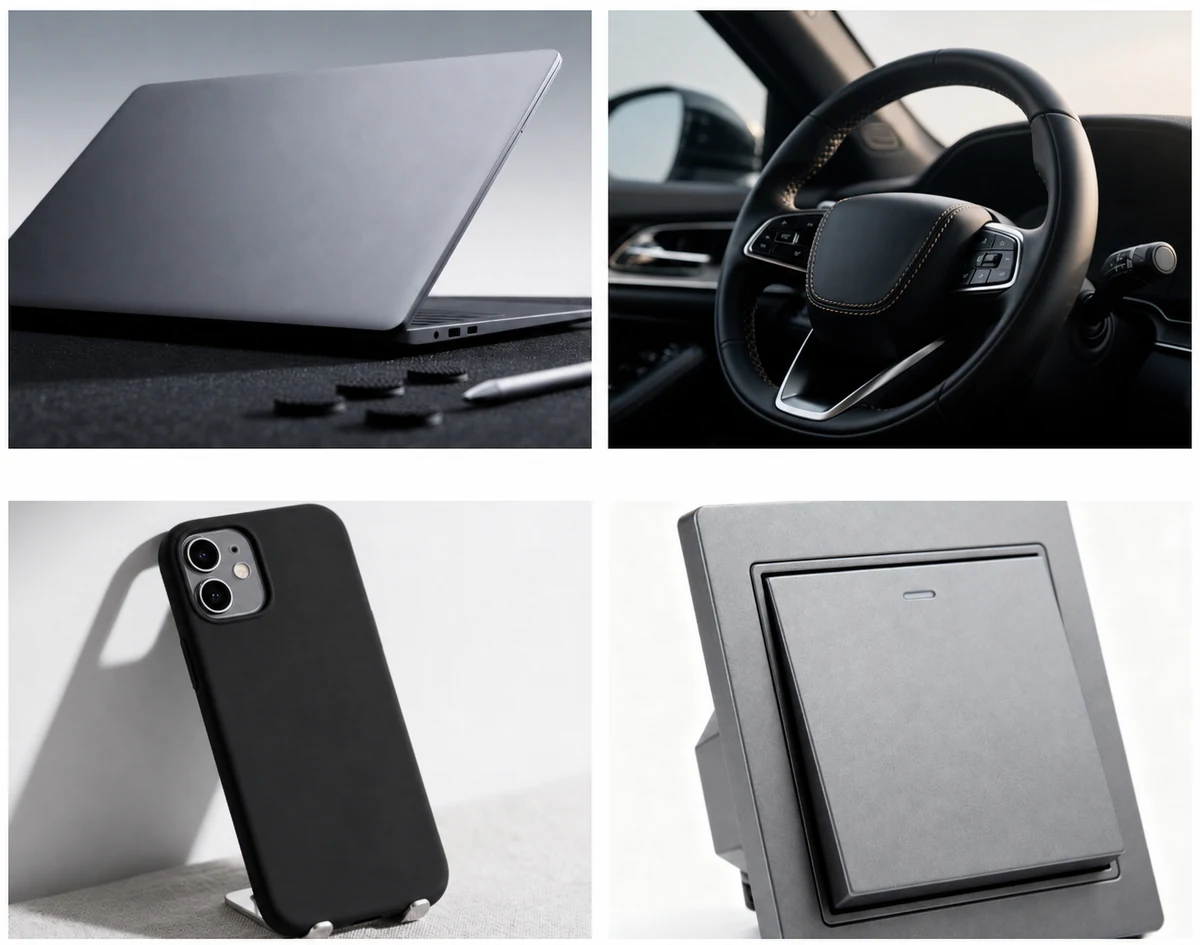
Precision adhesion, optical appearance, fast cure and surface feel.
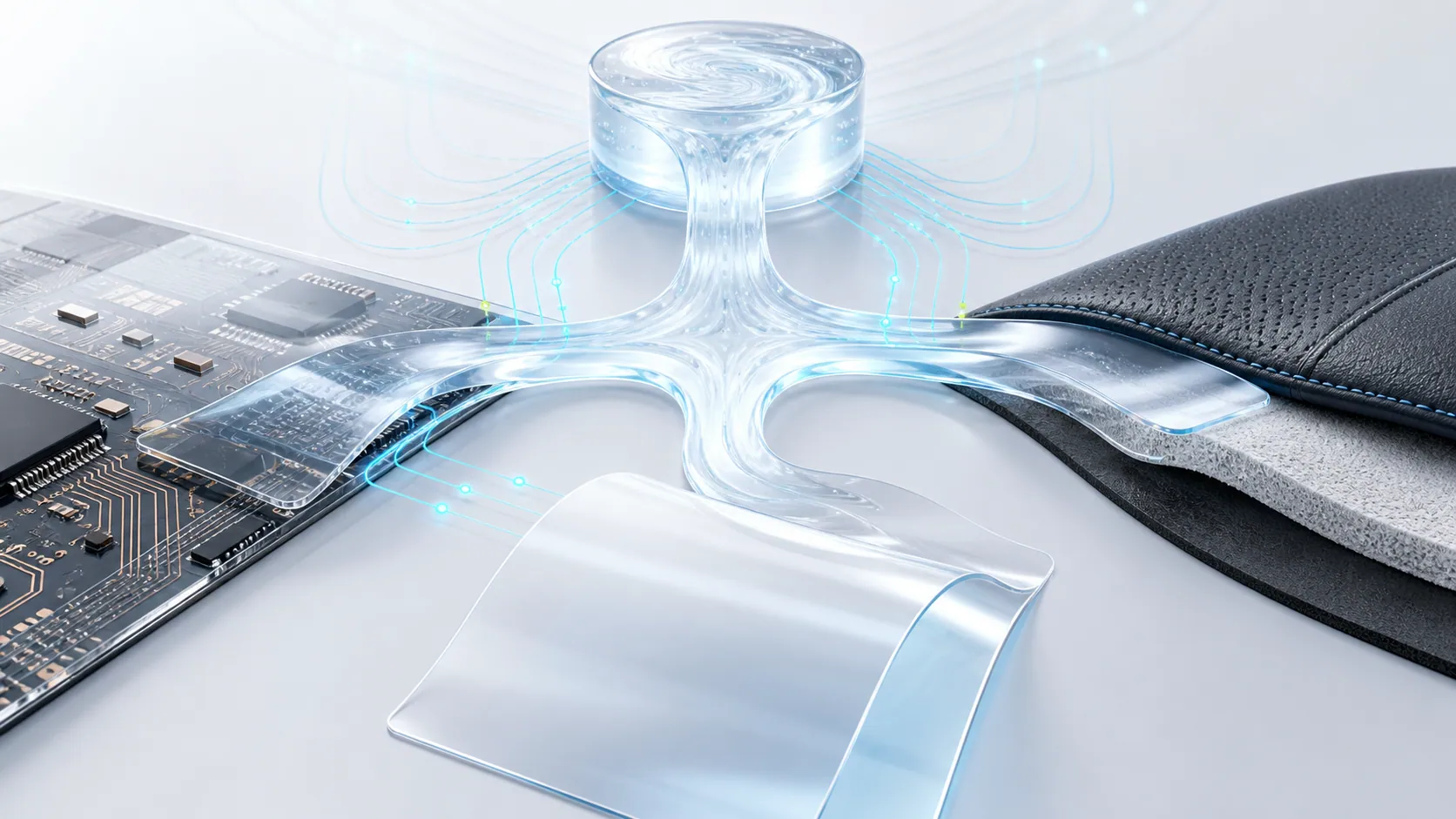
From film bonding to hardcoat, scratch resistance and functional surfaces.
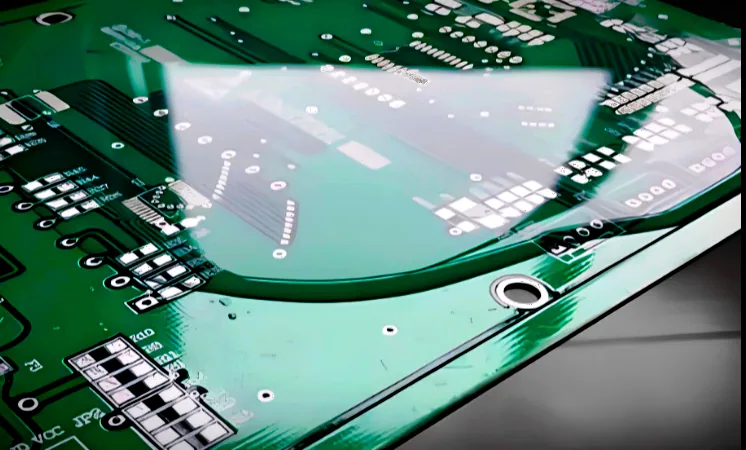
Adhesion, insulation and protective coating routes for electronic substrates.

Screen around wetting, adhesion, flexibility and curing speed.
Balance precision and cure speed with strength and toughness.
Surface routes for flexibility, wear resistance and lower odour.
More specific project information makes material screening more useful. We turn real application conditions into candidates that can be checked, without promising an unverified one-size-fits-all answer.
Share the material combination, coating or bonding method, cure conditions and current project stage.
Clarify whether adhesion, hardness, flexibility, chemical resistance, yellowing resistance or surface appearance matters most.
Enter the real model range, continue formulation and test checks, and request deeper documents when needed.
Existing UV adhesive, UV coating, UV ink and 3D printing product categories.
→ 19Waterborne resins and epoxy curing agents connected to coating, leather, textile and anticorrosion applications in the supplied data.
→ 2Use the existing aziridine crosslinker and fluorine-modified resin entries to check system and performance fit.
→Share your company, contact, substrate, process and target performance. We will route the question to the relevant technical or commercial contact; TDS, SDS and deeper documents can start from the data request.