Molecular structure design
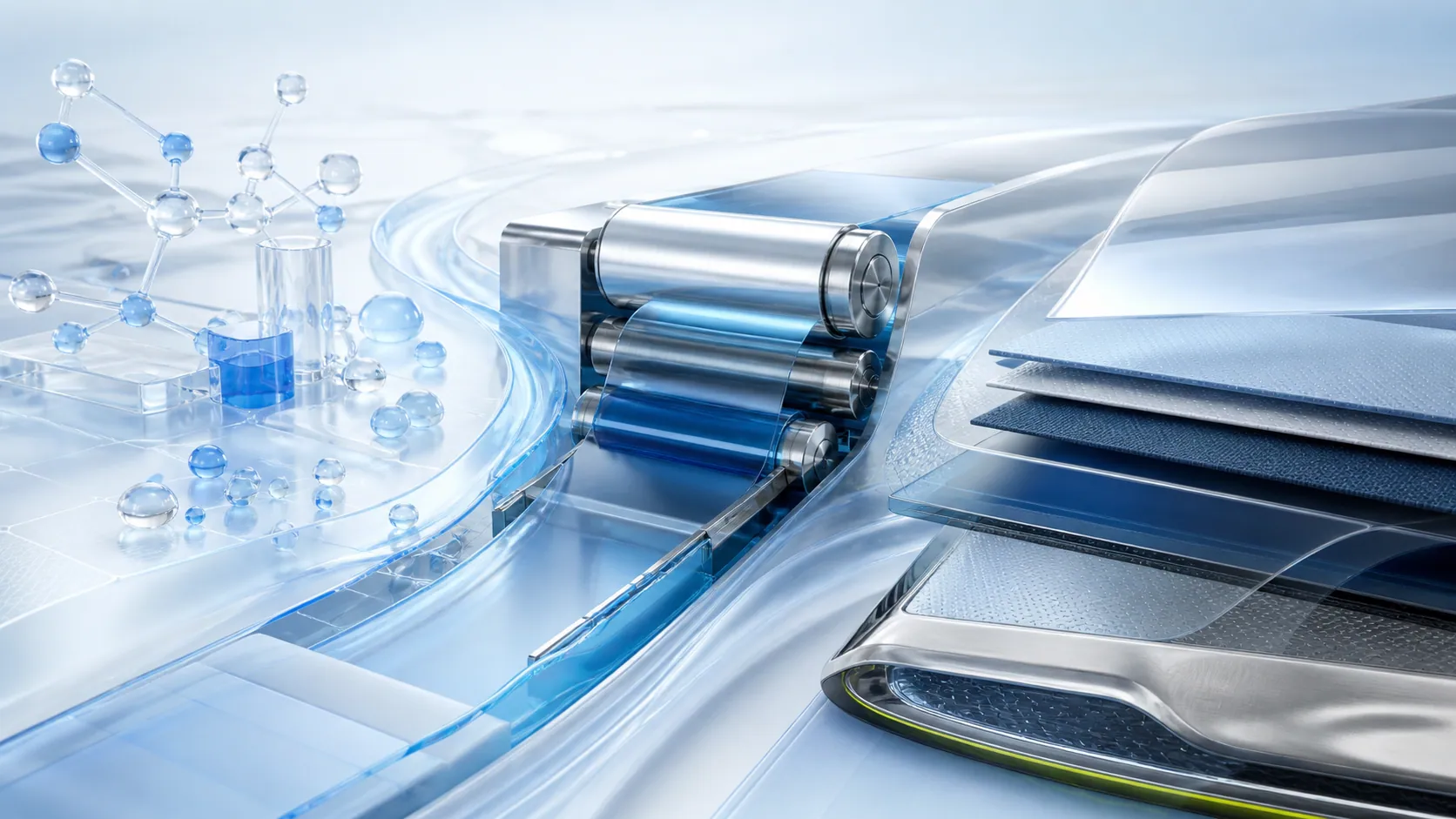
Frame the material structure and validation direction around performance, substrate and process conditions.

From molecular structure design and reaction optimisation to analysis and application validation, research advances through real questions—not laboratory conclusions alone.
The R&D path keeps material design, synthesis, analysis and the customer's application problem in one working chain. Each step produces evidence for the next decision.
Frame the material structure and validation direction around performance, substrate and process conditions.
Adjust the reaction path and conditions through experiments while recording the changes that matter.
Use analysis and testing to verify material behaviour and inform the next round of decisions.
Return substrate, formulation, process and target performance to the real application for further validation.
Laboratory space, material sampling, team collaboration and analytical environments form the evidence. We avoid version-sensitive headline metrics here and let authentic working scenes show how R&D progresses.
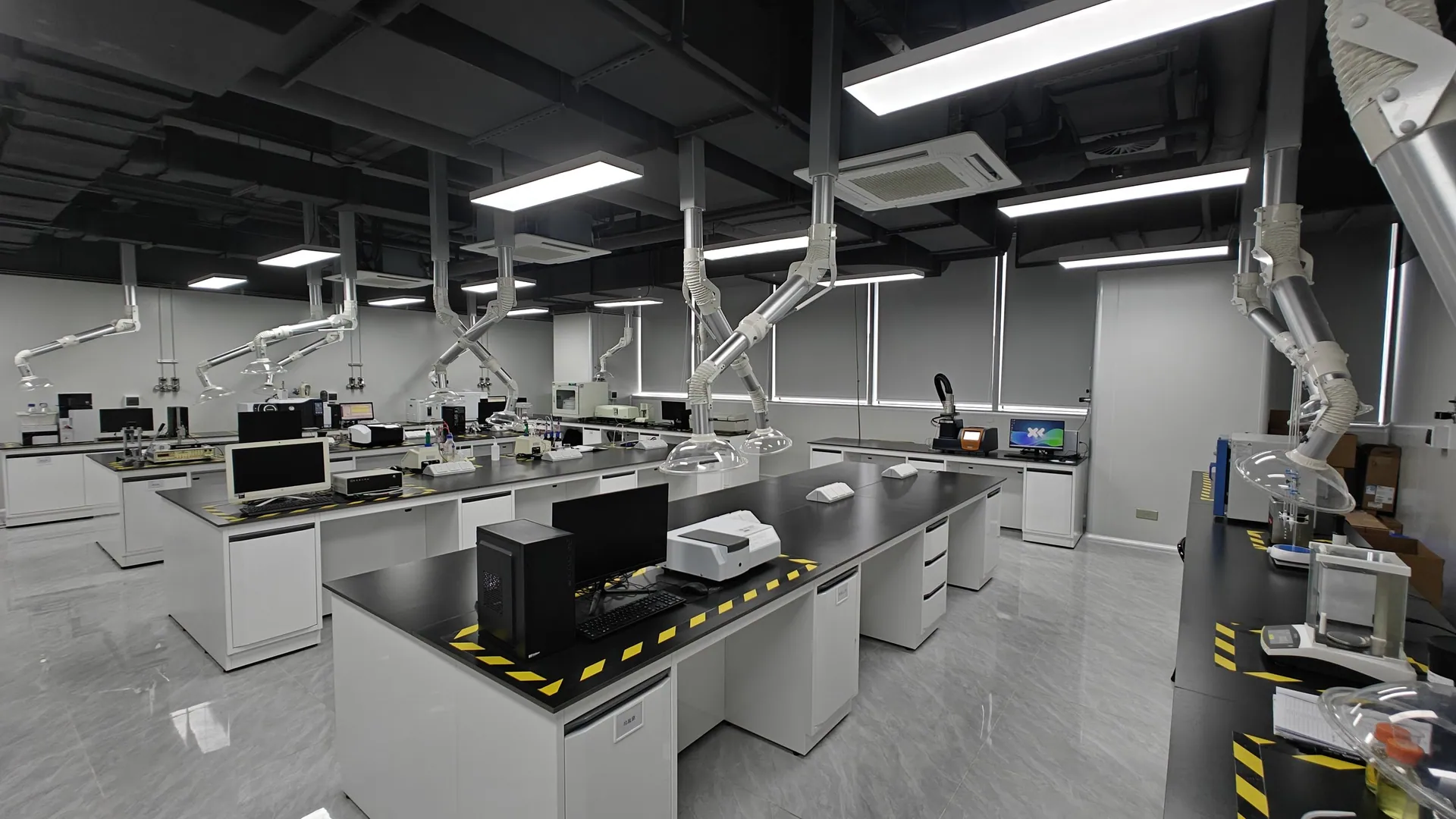

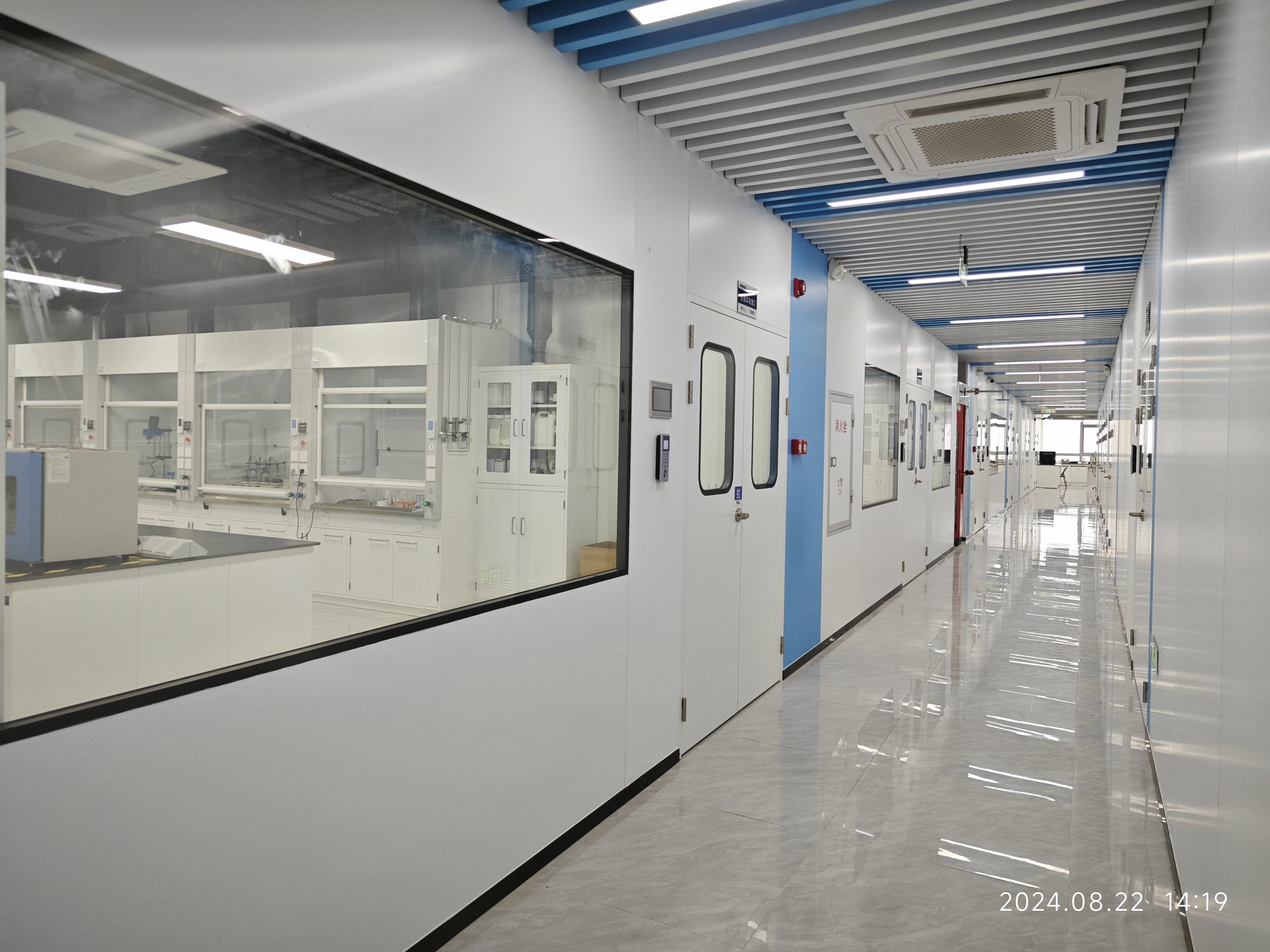
The Guangzhou R&D centre and Yunfu production base work as a research-production link: one focuses on material design, experiments and application judgement; the other connects production validation and stable-delivery requirements.
Connects molecular design, synthesis, analysis and application exploration.
Connects production processes, quality validation and project delivery requirements.
These items come from SUMDA's existing news archive. Dates, locations, speakers and report titles follow the original articles; no unverified event or achievement has been added.
The Radiation Curing Innovation and Development Forum was held in Suzhou, Jiangsu, from 13 to 15 April 2026. SUMDA General Manager Liu Shanshan was invited to present “Innovative Applications of Photocurable Materials in Flexible Electronics”, discussing material applications, questions and challenges related to flexible electronics.
The 2026 China Coatings Conference was scheduled for 14–16 April in Mingguang, Anhui, with SUMDA participating as a co-organiser. Waterborne Technology Director Sun Zaiwu presented “Cost Reduction, Efficiency and Quality: Innovation Matrix and Application Breakthroughs for Waterborne Epoxy Curing Agents”.
CHINACOAT 2025 concluded on 27 November. At the exhibition, SUMDA exchanged views with industry visitors on coating materials and application requirements, using its stand and product information to present the company's material directions and application support.
The Asia Pacific Coatings Show was held at BITEC in Bangkok from 3 to 5 September 2025. At SUMDA's first exhibition outside China, the company presented UV ink, UV coating and waterborne PU / epoxy systems and spoke with industry visitors from different markets.
Share the substrate, formulation, process conditions, target performance and current stage. We will route the question to the appropriate technical or commercial contact; TDS, SDS and deeper documents can begin with a data request.